
Hazard- High Wind
High headwinds at Heathrow Airport
Time-Based Separations system to reduce delays and cancellations
Keywords
Heathrow Airport (IATA: LHR, ICAO: EGLL) is the largest and busiest airport in the United Kingdom. It serves as a major international hub, primarily for British Airways and Virgin Atlantic. In 2024, Heathrow set a record by handling 83.9 million passengers, marking a 5.9% increase from the previous year.
Heathrow currently experiences about 35 strong wind days in a year. In 2015, it introduced a Time-Based Separations system to separate arriving aircrafts by time instead of distance. During high headwinds, this system reduces delays and cancellations. The delivery of the TBS was a result of a 3 year research at the Single European Sky Research ATM Research and Development programme (SESAR).
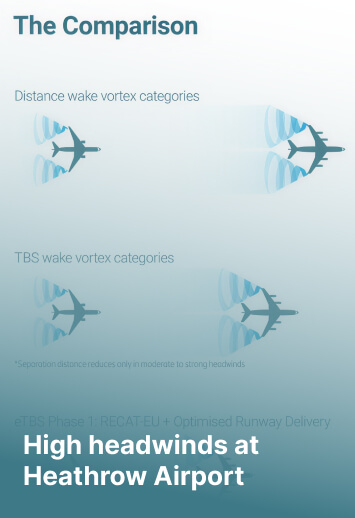
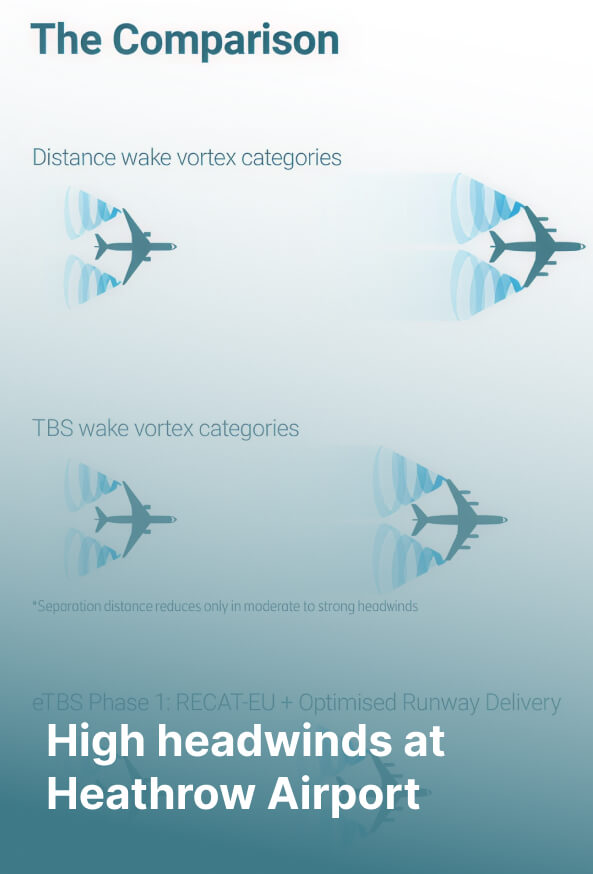
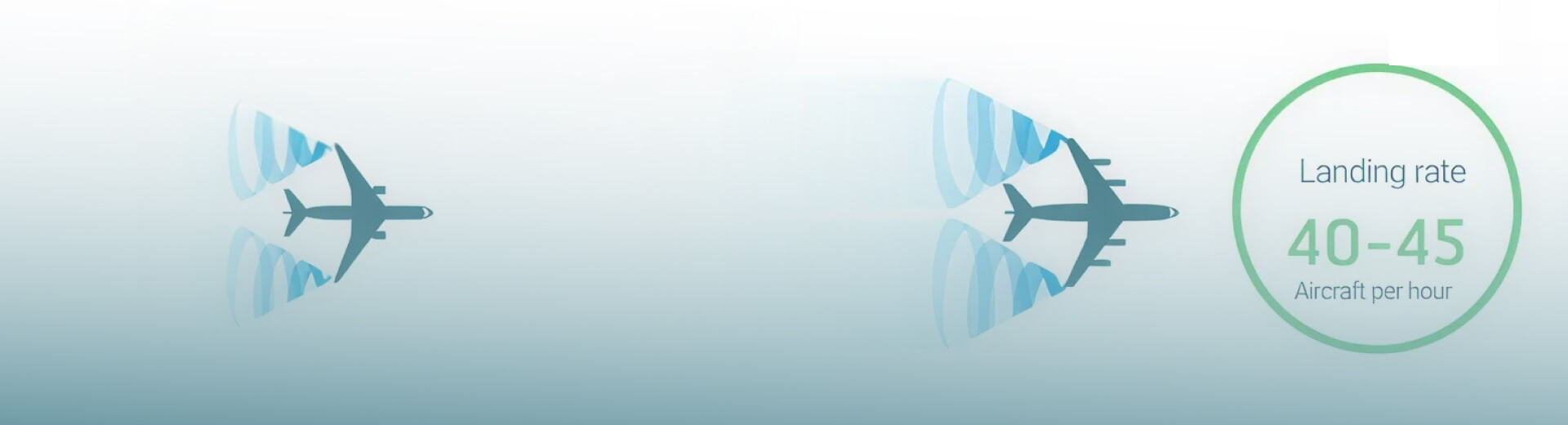
During strong headwind conditions, Heathrow experiences a decrease in the landing rate when operating with Distance Based Separation (DBS), because arriving flights are spaced a specified distance apart regardless of the wind conditions. Aircraft on approach fly at the same speed in the air and so when they fly into a strong headwind they get a reduced speed over the ground. This results in increased time separation for each arrival pair. This increased time separation between arrivals, reduces the landing rate and creates a lack of stability of the runway throughput when operating near capacity.
London Heathrow airport remained a delay hot spot in 2013 due to significant impact to aircraft operations under adverse weather conditions. Strong winds cause the most disruption to flights operations, with a knock-on effect to wider global operations.
Evidence of the Solution(s) Effectiveness or Potential Impact
TBS adjusts the separation between arrivals dynamically. This maintains the time separation between aircrafts at a constant equivalent to the distance separation to safely reduce the approach separation. This recovers most of the capacity lost due to the strong headwind conditions. Implementation of the TBS is expected to save 100,000 minutes of flight time and 23,000 tons of fuel by 2030. This will provide a monetary benefit of 55 million euros by the year.
Enablers and Barriers
In order for NATS (En Route) PLC (“NERL”), to provide functionality for TBS of aircraft approach, local systems needed to be upgraded. In addition, NATS required changes to the ATM engineering systems. This included all necessary training of ATCO staff and amendments to the safety case and procedures.
The overall scope of this investment covered:
- Heathrow Tower Approach Radar Display
- Servers
- Workstations
- Tower and Virtual Control Facility
- Air Traffic Control (ATC) Training
- Engineer Training
- Update to ATC Method of Operations
- Unit and System Safety
The specific benefits offered by TBS are:
- 4 movements per hour on strong wind days
- 50% reduction in annual delays attributable to strong winds