
Hazard- Rise in Groundwater Level
From Groundwater to Floods: YVR’s Proactive Approach to Water
Management
Vancouver Airport’s Efforts to Sea level and Ground water level rise
Keywords
Vancouver International Airport (YVR) is the primary airport serving Vancouver, British Columbia, and is the second busiest airport in Canada. It is a major trans-Pacific hub, connecting passengers to
destinations across North America, Asia, and Europe.
YVR is known for its commitment to sustainability and innovation. The airport features modern terminals with a wide range of amenities to enhance the passenger experience. In 2024, YVR saw significant growth in passenger traffic, welcoming 26.2 million passengers, this growth underscores the airport’s vital role in global connectivity and its contribution to the local economy.
Vancouver International Airport (YVR) faces several climate-related hazards:
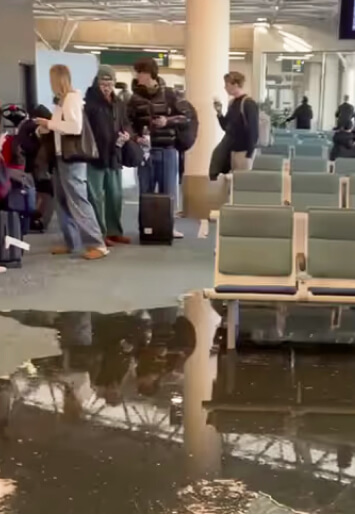
- Flooding: Due to its location on Sea Island in the Fraser River, YVR is at risk of severe flooding from rising sea levels and increased precipitation. This risk is projected to increase as sea levels rise by more than one meter by the end of the century.
- Extreme Weather: Increased frequency and intensity of extreme weather events, such as heavy rainfall and storms, can disrupt airport operations and affect passenger safety.
There have been recent studies and reports on groundwater levels at Vancouver International Airport (YVR). One notable report is from the Senate of Canada, which highlights the risks of flooding due to rising sea levels and increased precipitation. Rising sea levels will lead to higher ground water tables, reducing the capacity of the ground to absorb the increased precipitation expected.
This report underscores the importance of monitoring and managing groundwater levels as part of YVR’s broader climate resilience strategy. The Government of British Columbia provides ongoing environmental reporting on groundwater levels, which includes trends and data that can be relevant for understanding changes over time. Further, to mitigate these risks, YVR has also invested in infrastructure improvements, ensuring the airport remains resilient and operational.
Measures
Vancouver International Airport (YVR) has implemented several measures to address the rise in groundwater levels:
Drainage Systems:
- YVR has enhanced its drainage infrastructure to manage increased groundwater levels. This includes upgrading and maintaining a network of drains and pumps to ensure efficient water removal from the airport grounds. Regular inspections and maintenance of the stormwater infrastructure is scheduled.
Implementation of a Dike plan:
- YVR is located on Sea Island which is protected by a 15-kilometre-long system of dikes and bank protection works. This system conveys drainage from roads and airside areas to a series of drainage ditches and eventually to floodboxes and drainage pumpstations which are integral to the dike system. The airport is progressively raising all reaches to 4.7m under the Sea Island Conservation Area West Dike Upgrade.
Computer Drainage Model :
- In 2023, YVR developed a comprehensive computer model of the drainage system under Transport Canada’s Transportation Assets Risk Assessment Program. This helped the airport understand how the drainage system is performing under existing and future conditions. The output led to the replacement of 4 pumpstations to accommodate the additional drainage needs. The airport continues to use the model to maintain, rehabilitate and enhance the drainage system.
Groundwater Monitoring:
- The airport continuously monitors groundwater levels to detect any significant changes. This proactive approach allows for timely interventions and adjustments to the drainage systems.
Infrastructure Adaptation:
- YVR has adapted its infrastructure to be more resilient to rising groundwater levels. This includes waterproofing critical facilities and ensuring that new constructions are designed to withstand higher groundwater levels. Critical facilities like the data centre have been relocated to a location above sea level and common use systems are being shifter to software-based systems.
Collaboration with Experts:
- The airport collaborates with hydrologists and other experts to develop and implement effective groundwater management strategies.