


Home  Newsletter September 2026
Newsletter September 2026
Making the case for DRI
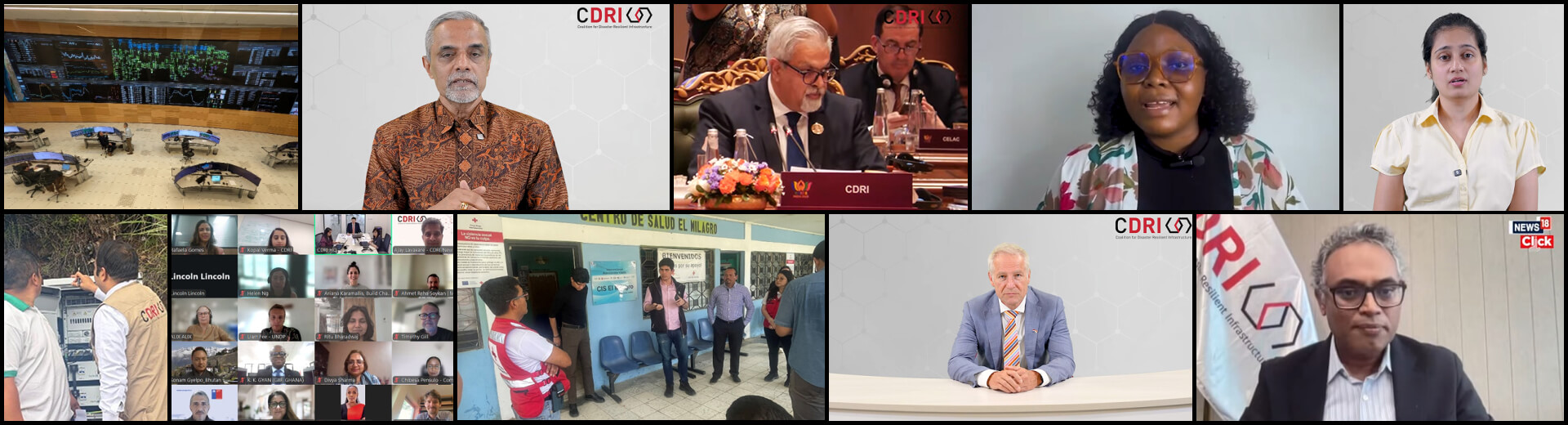
At the BRICS Summit, CDRI Director General Amit Prothi called on leaders to embed resilience as a core principle of infrastructure design, financing and development. Emphasizing risk intelligence, innovative financing and international cooperation, he urged countries to translate shared ambitions into bankable investments.
Building the Coalition
Strengthening the Coalition
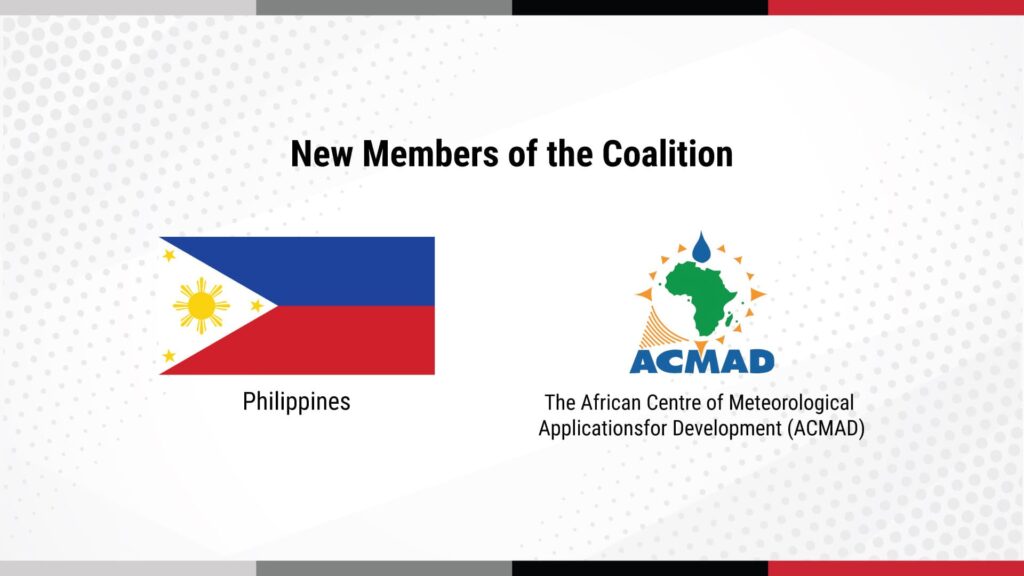
The Philippines and the African Centre of Meteorological Applications for Development (ACMAD) joined CDRI last quarter, bringing the Coalition’s membership to 72. Reflecting on the Philippines’ membership, President Ferdinand R. Marcos Jr said:
“The Filipino bayanihan spirit will always be our greatest strength, but resilience must also be built into the roads, bridges, communication systems, and public buildings that our people depend on every day.”
Leading Global Conversations on DRI
Addressing interconnected disaster risks in Nepal
Nepal’s recent disasters underscore the urgent need to anticipate complex, interconnected risks. Speaking to CNN-News18, CDRI’s Senior Director of Programme Management & Technical Support Ramraj Narasimhan calls for risk-informed decisions throughout the infrastructure lifecycle, scenario-based planning and impact-focused forecasting to better protect communities, livelihoods and critical essential services.
Advancing resilient infrastructure in National Adaptation Planning
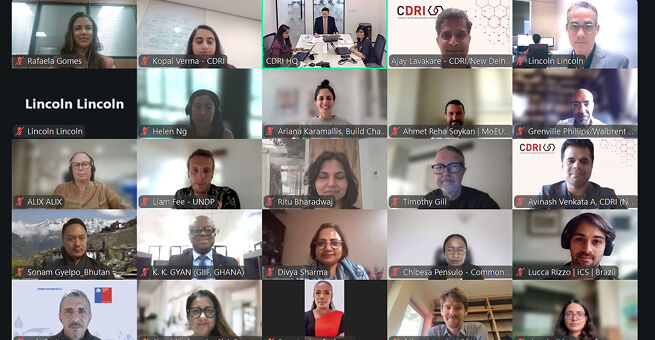
More than 100 global experts from countries and organizations worldwide have joined CDRI’s Community of Practice on DRI for Adaptation, building on the 2025 Action Agenda. Together, they are developing practical guidance, which would be released at COP31 in Türkiye, and will help decision-makers embed infrastructure resilience in adaptation planning, financing and implementation.
Making resilience the standard for infrastructure investments
Quality infrastructure must withstand future shocks while supporting sustainable, inclusive development. Speaking to the Blue Dot Network, Ramesh Subramaniam, CDRI’s Global Director for Programmes and Strategy, discusses how global standards, strong partnerships and risk-informed investment can advance this shared goal.
Champions of DRI
Champions of DRI
Floods and droughts are putting increasing pressure on the critical infrastructure systems our cities rely on. Jaap Slootmaker, Vice Minister for Water and Soil Affairs, Ministry of Infrastructure, Government of the Netherlands, reflects on the ongoing CDRI – Netherlands partnership, which recently provided training to representatives of nine Indian cities to support the strengthening of water infrastructure, protect essential services and build lasting resilience.
Promoting risk-informed policy and practice
Mapping groundwater risks to protect Ghana’s coastal infrastructure
Excessive groundwater extraction can cause land to sink, putting coastal infrastructure and communities at risk. CDRI Fellow Elikplim Agbemafli explains how satellite imagery, field data and 3D modelling are identifying vulnerable areas along Ghana’s Tema corridor, enabling sustainable groundwater use.
Strengthening business resilience amid rising natural hazards
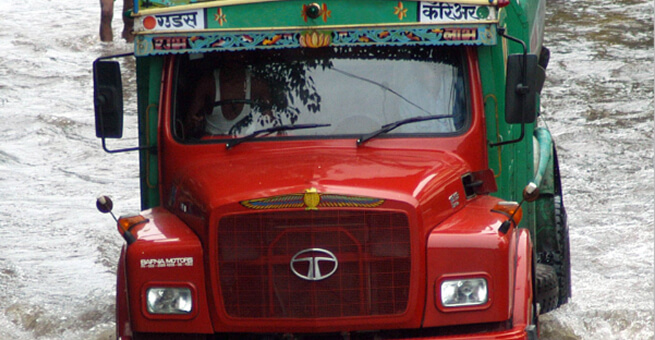
Escalating climate hazards threaten business operations and supply chains. CDRI’s new Working Paper, ‘Impacts on Businesses: The Hidden Cost of Disasters’, identifies gaps in contingency planning, insurance and emergency funding. It urges businesses to strengthen preparedness through climate risk analytics and early warning systems, helping protect operations and long-term competitiveness.
Scaling Nature-based solutions for resilient infrastructure
Nature can be a powerful ally in building resilient infrastructure. Drawing on global case studies, Floris Boogaard, Lead Author of CDRI’s Working Paper on Nature-based Solutions, emphasizes that long-term maintenance, governance, and financing must be planned from inception to ensure lasting, localized climate resilience.
Enhancing capacities to impact DRI & post-disaster recovery

Advancing power sector resilience in Chile
CDRI is supporting the Government of Chile take a systems-based approach to power sector resilience. During recent engagements with government agencies, utilities and experts, discussions focused on infrastructure interdependencies, cascading risks and stronger governance. The next phase of the project will assess hazard exposure and quantify risks to help strengthen Chile’s energy resilience and disaster preparedness.
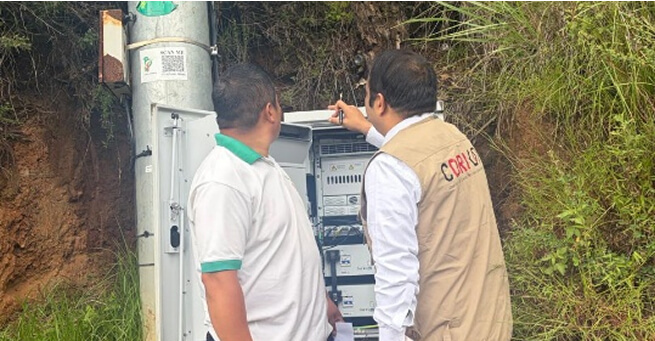
Strengthening Bhutan’s telecom networks against climate hazards
CDRI’s engagement with Royal Government of Bhutan for Telecommunications Infrastructure resilience is addressing resilience across existing and planned networks. Through field visits and consultations, the team is helping assess flood, rainfall and lightning risks, identify safer infrastructure options, and plan fibre routes and 5G coverage to support reliable connectivity as demand grows.
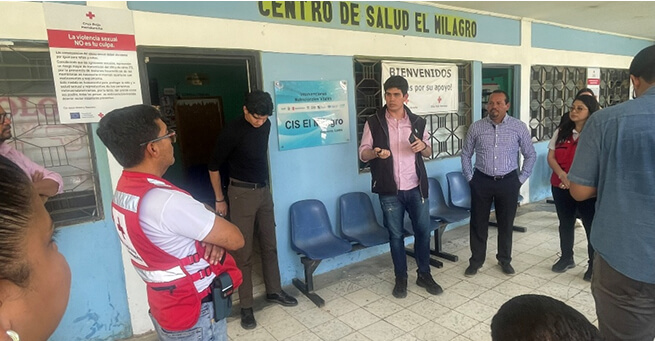
Strengthening healthcare resilience in Honduras
In Honduras’ Sula Valley, severe floods, hurricanes, and extreme heat threaten health facilities that must remain open during disasters. Supported by CDRI’s Infrastructure Resilience Accelerator Fund (IRAF), a targeted project is fortifying 24 primary healthcare clinics to sustain vital care for nearly 50,000 vulnerable residents.
Viewpoint
Secretariat testimonial
Reflecting on her time at CDRI, Aayushi Parashar, Research and Technology Intern (Energy Sector), shares how her work has deepened understanding of the risks facing energy infrastructure and approaches to strengthening resilience. She also highlights the value of collaborating with colleagues from diverse cultural backgrounds.