
Hazard- Fog/Haze
Visibility Challenges: How Sydney Airport Handles Foggy Conditions
Low visibility measures to ensure safety in Sydney Airport
Keywords
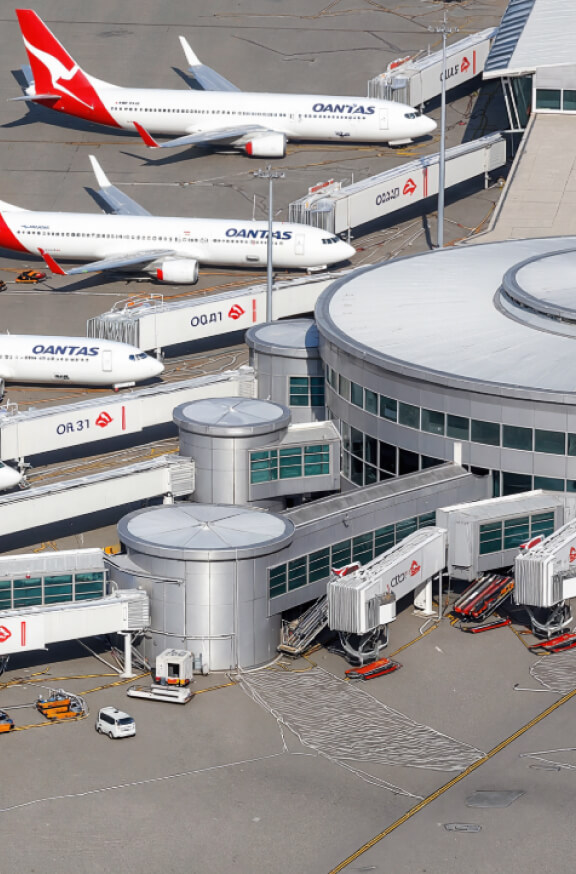
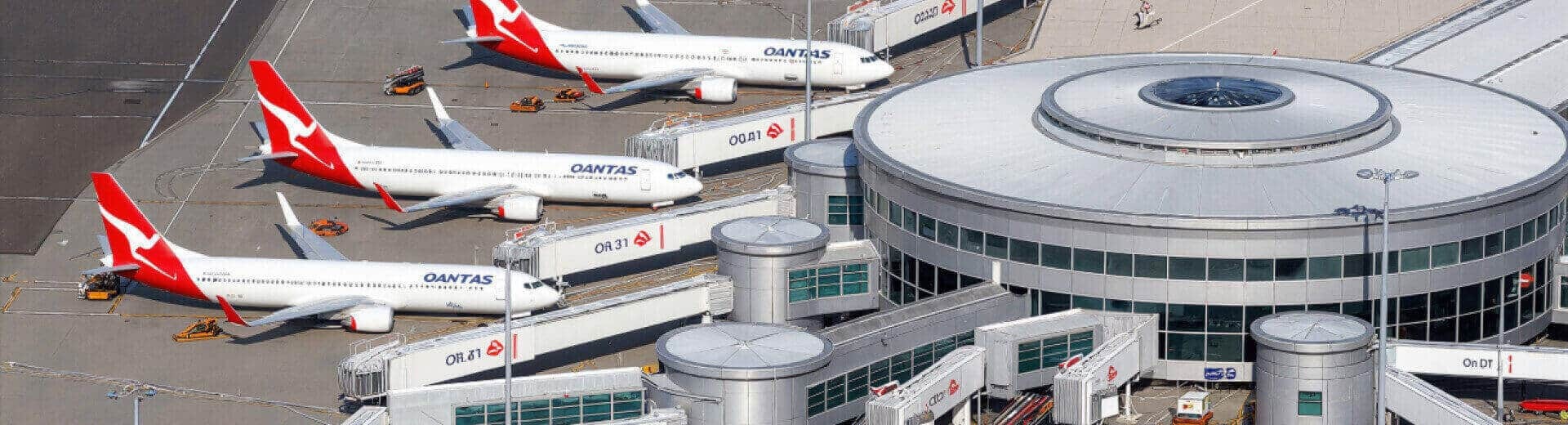
Sydney Airport, officially known as Sydney Kingsford Smith Airport, is the busiest airport in Oceania and serves as a major hub for Qantas, Virgin Australia, and Jetstar. Located in Mascot, New South Wales, it is situated approximately 8 kilometres south of Sydney’s central business district. The airport features three runways and handles a substantial volume of passenger traffic, with over 41 million passengers recorded in 2024.
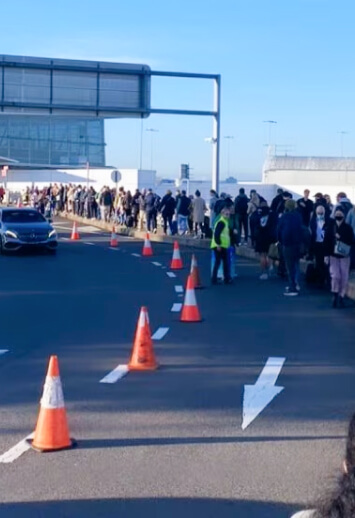
Fog can significantly impact operations at Sydney Airport, leading to flight delays and cancellations due to reduced visibility. When heavy fog blankets the area, it can cause long queues and disruptions, as passengers wait for conditions to improve. This can affect both domestic and international flights, creating a ripple effect of delays throughout the day.
To manage these challenges, Sydney Airport employs several strategies. Advanced weather monitoring systems help predict foggy conditions, allowing airlines and airport staff to prepare accordingly. Additionally, the airport works closely with airlines to reschedule flights and minimise disruptions. Enhanced runway lighting and navigation aids also assist pilots in safely landing and taking off during foggy conditions. Despite these measures, passengers are often advised to check flight statuses and allow extra time for travel during foggy weather.
SmartPath Navigation Technology
Sydney Airport has implemented the SmartPath navigation system, developed in partnership with Airservices Australia, Qantas, and Honeywell. SmartPath is a Ground-Based Augmentation System (GBAS) that enhances the accuracy of satellite-based navigation. This technology allows aircraft to land within one metre of the runway centre line, even in low visibility conditions. By correcting GPS errors and transmitting precise data to the aircraft’s flight management system, SmartPath significantly improves operational performance and safety during adverse weather.
Wide Area Multi-Lateration System (WAAM)
Sydney Airport has also introduced a Wide Area Multi-Lateration (WAAM) system, which supplements the terminal area radar. This system uses multiple non-rotating sensors to determine aircraft location based on transponder signals. WAAM provides precision runway monitoring, enabling simultaneous parallel runway operations even in reduced visibility conditions. This technology enhances air traffic control capabilities, ensuring safe and efficient aircraft movements.