
Hazard- Liquefaction
Liquefaction at Soekarno Hatta International Airport’s 3rd Runway Construction
Dry bottom-feed method for dry feet
Keywords
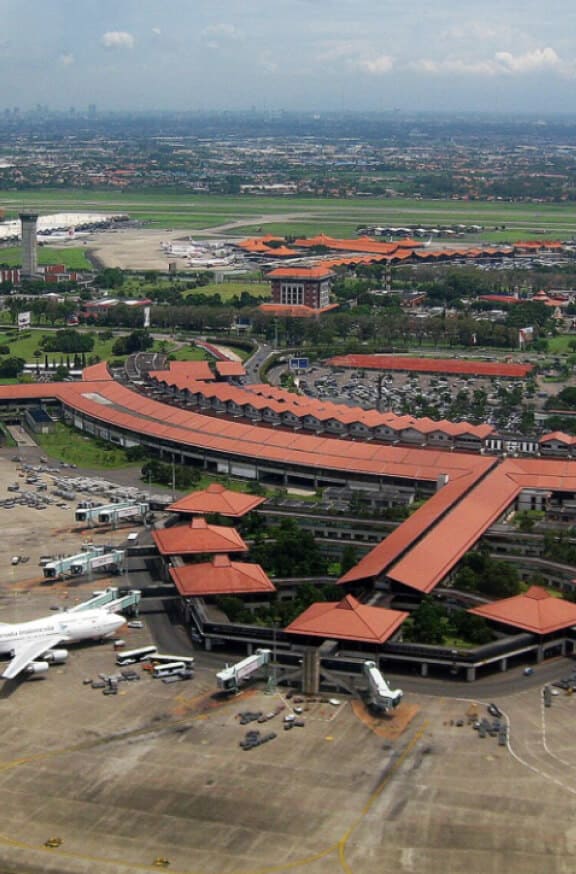
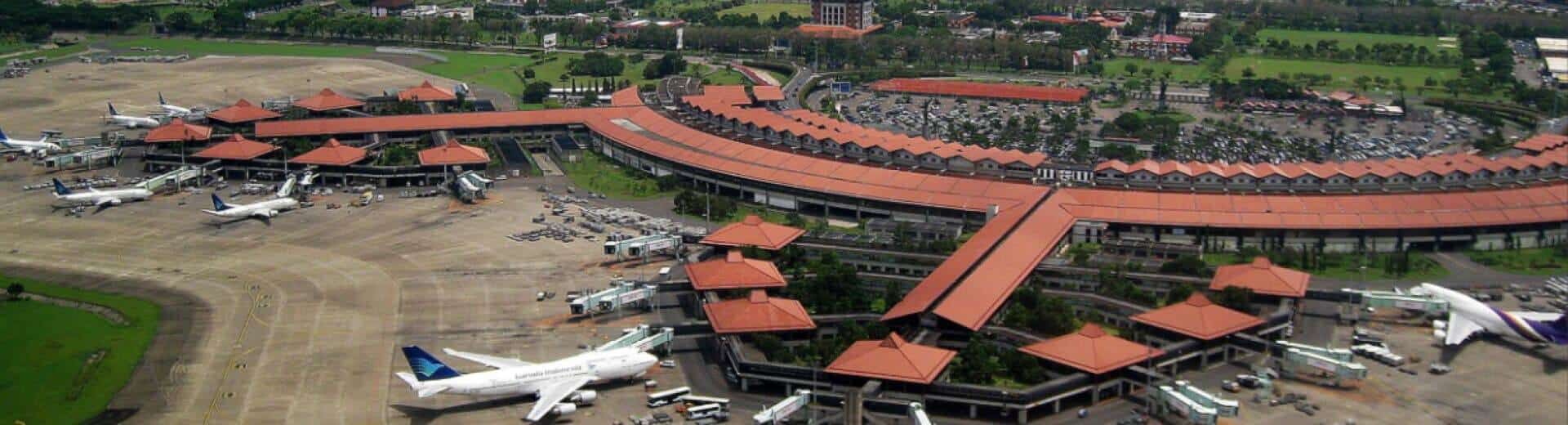
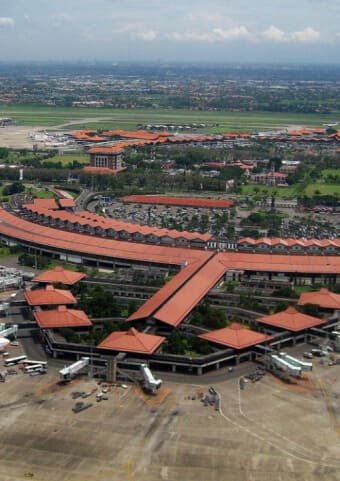
Soekarno-Hatta International Airport, also known as Soetta, is the primary airport serving the Jakarta metropolitan area on the island of Java in Indonesia. Located in Tangerang, Banten, the airport is approximately 20 kilometers northwest of Central Jakarta. In 2024, Soekarno-Hatta International Airport served nearly 54.8 million passengers, making it one of the busiest airports in Southeast Asia.
Challenges
However, the airport faces significant challenges due to its geographical location and soil conditions. Situated on reclaimed land, Soekarno-Hatta International Airport is prone to soil problems and liquefaction hazards, especially during seismic events. Liquefaction occurs when saturated soil loses its strength and stiffness in response to an applied stress, such as an earthquake, causing it to behave like a liquid. This can lead to severe damage to airport infrastructure. Studies have shown that the area around the airport, particularly the East Cross Taxiway, has a high potential for liquefaction. To mitigate these risks, soil improvement techniques, such as the use of stone columns, have been implemented to increase the safety factor and reduce the likelihood of liquefaction.
3rd Runway Project
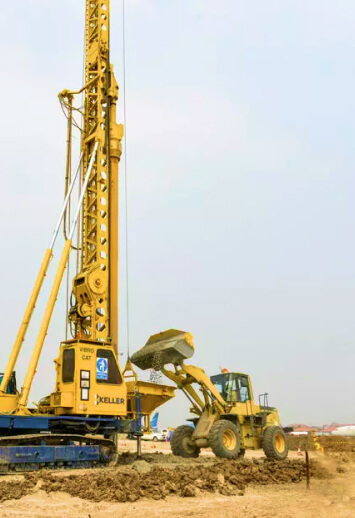
The construction of the third runway of the airport was the first major project while the terminal remained in operation. The constructor, Keller, tackled challenging soil properties and efficiently mitigated liquefaction potential while ensuring high safety.
As a result from analyzes, it was found that there was a sand layer in the work area, allowing potential liquefaction to cause damage. Also, the water level was 2 meters below the platform and, therefore, Keller closely monitored the installation of each column to be ensured that the required depth was reached.
In order to tackle the risks of liquefaction, the constructor installed 500mm diameter vibro stone columns with the dry bottom feed method. The dry bottom feed method involves using a specially designed stone feed tube system to deliver rock backfill to the tip of the Vibro-Probe under compressed air. This method is particularly effective for constructing stone columns in challenging soil conditions. The process begins with the Vibro-Probe being inserted into the ground to the desired depth. As the probe is raised in intervals from the bottom upward, the stone delivered by the tube fills the void created by the probe’s movement. This incremental raising and filling process ensures that the stone column is constructed uniformly from the bottom to the surface. The dry bottom feed method is similar to the wet top feed method, but it offers the advantage of using compressed air to deliver the stone, which can be beneficial in certain soil types where water might not be as effective. This technique is widely used in geotechnical engineering to improve soil stability and support structures in areas prone to liquefaction or settlement.
With this innovative method, Soekarno Hatta International Airport was able to construct a third runway in challenging soil conditions.