


Hazard – Fog/ Haze
New Measure Against Misty Conditions at Eindhoven Airport
A new landing system against misty conditions
Keywords
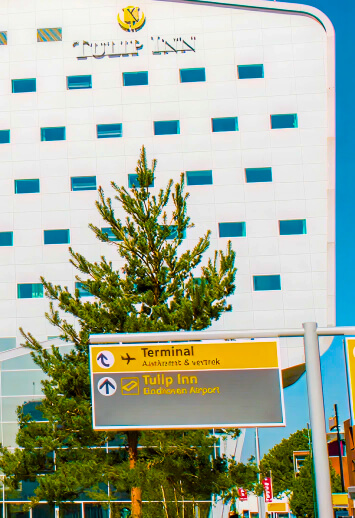
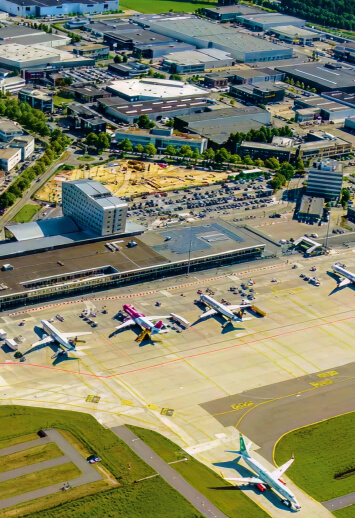
Eindhoven Airport is an international airport located 7.6 kilometers west of Eindhoven in the southern part of the Netherlands. It is the second largest airport in the country, serving nearly 6.8 million passengers in 2024. The airport is a vital hub for both civilian and military traffic, connecting the region with approximately 80 destinations, primarily within Europe.

Challenges
However, Eindhoven Airport has historically faced challenges with misty and foggy conditions, which have led to numerous flight cancellations and delays. For instance, on 3 November 2024, dense fog resulted in code yellow warnings (extreme weather) in the Netherlands, causing several flights to be cancelled or delayed. Similarly, on 15 January 2025, thick fog led to a halt in all flight movements at the airport. These weather conditions significantly impact the airport’s operations, highlighting the need for robust measures to manage and mitigate such disruptions.
Instrumental Landing System
Eindhoven Airport and its users have expressed the need for a higher category Instrument Landing System (ILS). With the new Category III ILS will enable aircraft to land and take off even in very dense fog, significantly reducing disruptions caused by mist. The Ministry of Defense will incorporate the higher category ILS into the tender for the major maintenance of the runway planned for 2027. Since the runway will need to be closed for maintenance, it makes sense to install the new ILS at the same time, thus avoiding multiple disruptions. Final decisions on the higher category ILS will be made based on the offers received after the tender process.
The ILS is a radio navigation system that pilots use for landing, allowing for precision approaches to the runway. Category III ILS includes additional lighting in the runway, enabling landings without visibility of the runway. Eindhoven Airport currently has a Category I ILS, requiring pilots to have at least 550 meters of visibility to land. With the new system, planes are able with mist with reduced visibility up to 50 meters.