
Hazard- Wildfires
San Francisco International Airport and wildfires emergencies
Exploring the advanced systems and digital solutions at San Franscisco International Airport
Keywords
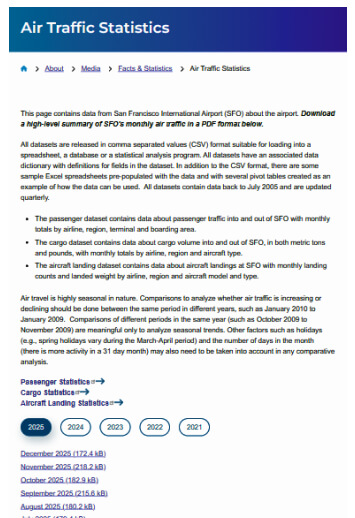
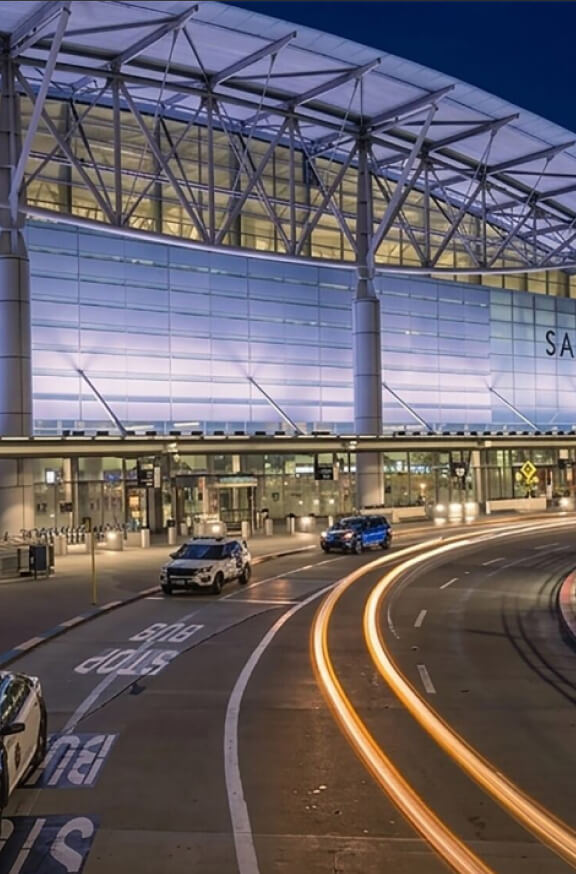
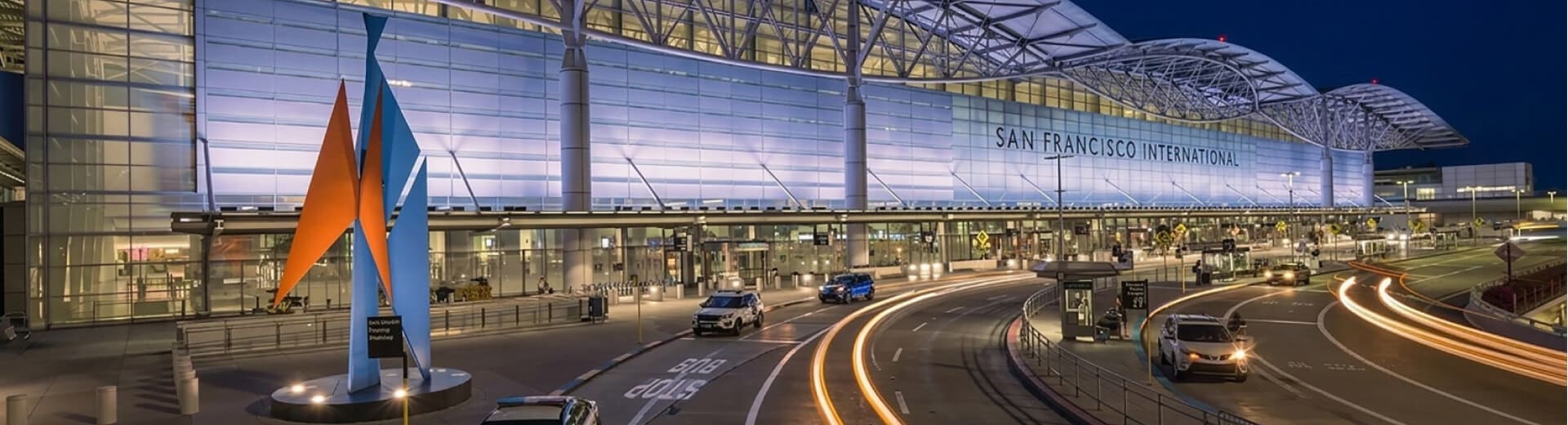
San Francisco International Airport (SFO), located 13 miles south of downtown San Francisco, is a major hub for both domestic and international travel. The airport features four terminals and four runways, efficiently handling a wide range of aircrafts. In the fiscal year 2023-2024, SFO accommodated approximately 51.3 million passengers, reflecting a significant increase in both domestic and international traffic. With its modern facilities, sustainability initiatives, and advanced technologies, SFO continues to provide an exceptional travel experience for millions of passengers each year.
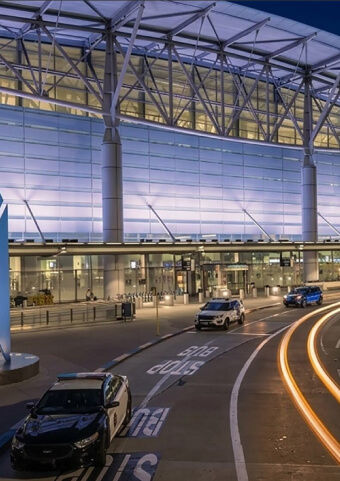
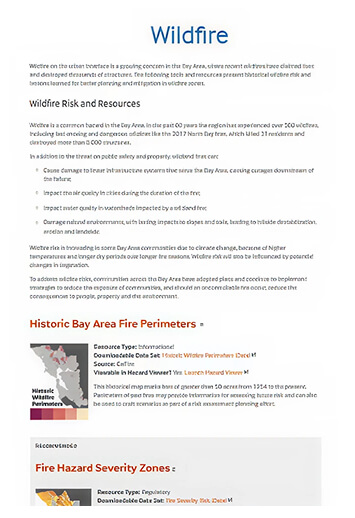
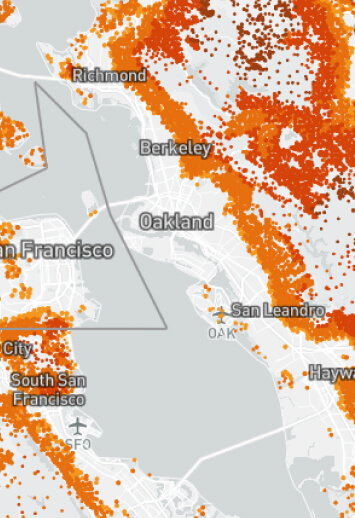
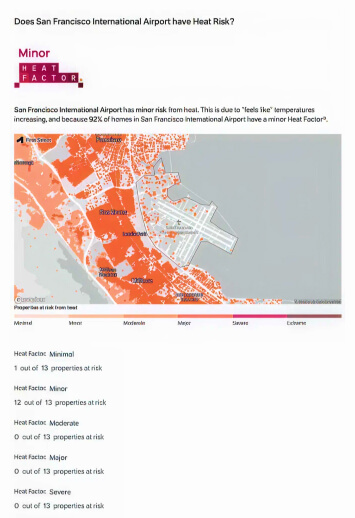
San Francisco International Airport (SFO) is situated in an area that can be affected by wildfires, especially given the increasing frequency and intensity of wildfires in California due to climate change. The airport is located near regions that have experienced wildfires in the past, and the surrounding areas, including parts of the Peninsula, are considered at risk. Wildfires can impact air quality, visibility,and may even lead to temporary closures or flight delays at airports like SFO. To manage these risks,the airport has implemented measures such as monitoring air quality and coordinating with local fire departments and emergency services.
SFO has several strategies in place to mitigate the risks associated with wildfires. The Airport Division of the San Francisco Fire Department provides fire protection, fire prevention, and emergency medical services at SFO, along with conducting fire safety training and drills. The airport actively monitors air quality, especially during wildfire seasons, working with the Bay Area Air Quality Management District (BAAQMD) to issue alerts and take actions to protect public health. Additionally, SFO coordinates with local fire departments and emergency services to respond swiftly to any wildfire threats, including having plans for potential evacuations and ensuring all airport personnel are trained in emergency procedures. The airport is also equipped with specialised firefighting vehicles and equipment designed to handle various emergency scenarios, including wildfires.
To further enhance its preparedness, SFO has developed a comprehensive set of plans and measures. The Infrastructure Resilience Framework (IRF) guides the airport in improving the resilience of its critical facilities and lifeline utility systems, including strategies for maintaining operations during extreme weather and climate-related events such as wildfires. SFO’s Emergency Plan (AEP) and Business Continuity Plan (BCP) are designed to ensure that critical infrastructure and utilities remain operational during emergencies, with specific procedures for wildfire scenarios. Regular training and drills are conducted to prepare airport staff for wildfire emergencies, ensuring everyone knows their roles and responsibilities during an actual event. The airport also monitors air quality and implements measures to protect passengers and staff during wildfire events, including providing masks and adjusting operations as needed to maintain safety.
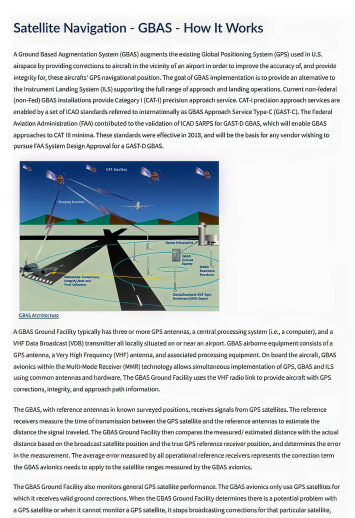
In addition to these measures, SFO has implemented several advanced technologies to enhance safety, efficiency, and passenger experience. The Ground-Based Augmentation System (GBAS) improves the accuracy of GPS signals, allowing for more precise aircraft landings, reducing aircraft noise over nearby communities, and enhancing safety during poor weather conditions. Digital transformation initiatives, such as the Individual Carrier System (ICS) for baggage handling, streamline various aspects of the passenger journey. Enhanced cybersecurity measures protect sensitive data and ensure the smooth operation of airport services. While GBAS itself is not directly related to wildfire management, its benefits can indirectly help SFO during wildfire events by ensuring aircraft can land safely even in low-visibility conditions and managing increased traffic efficiently during emergencies.
Overall, GBAS contributes to the resilience and safety of SFO’s operations, even in challenging conditions like wildfires.