Home  Finance for Resilient Infrastructure Programme (FRIP) Fiscal Risks Assessment Study of Critical Infrastructure Sectors in Nepal
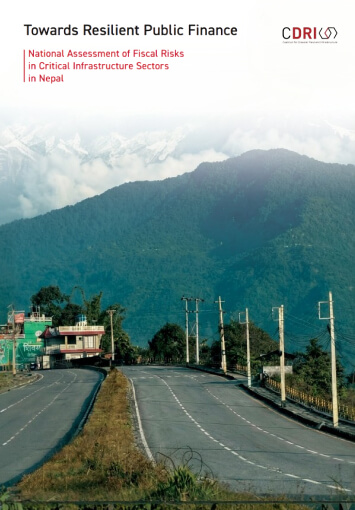
Fiscal Risks Assessment Study of Critical Infrastructure Sectors in Nepal
Implementing Partner: Build Change
Fiscal Risks Assessment Study of Critical Infrastructure Sectors in Nepal
Nepal’s fiscal resilience is repeatedly impacted by earthquakes, floods, and landslides, which erode development gains and force the diversion of scarce resources from planned investments to emergency response. Climate change magnifies these vulnerabilities, especially in energy and transport infrastructure.
CDRI conducted a technical assessment of fiscal risks in critical sectors, culminating in this report.
The study underscores layered financing strategies, stronger reserves, and resilient infrastructure standards to safeguard public finances and sustain growth amid rising disaster pressures.
Impact
1
Recurrent disasters significantly increase Nepal’s fiscal vulnerability by causing large infrastructure losses, diverting development funds, and creating immediate spikes in public expenditure, thereby constraining long-term economic growth and weakening the capacity to sustain development investments.
2
The study demonstrates that disaster impacts are concentrated in critical infrastructure, with floods and landslides generating the highest annual and extreme losses, highlighting fiscal liabilities and escalating risks intensified further by climate change projections.
3
Findings reveal substantial financing gaps between disaster-related losses and available funds, indicating that existing reserves and contingent credit mechanisms remain insufficient, necessitating a shift toward proactive, layered disaster risk financing to strengthen fiscal resilience.