
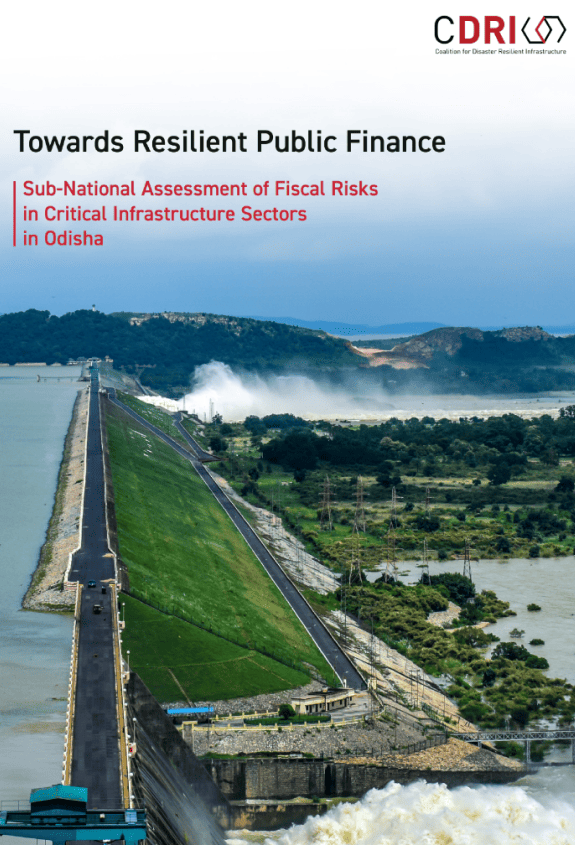


Odisha’s public finances face significant risks from recurring floods, cyclones, and other climate-related hazards that damage infrastructure, disrupt economic activity, and increase recovery costs. The assessment finds that available disaster financing mechanisms do not fully cover post-disaster needs, resulting in funding gaps and increased fiscal pressure. Floods are the most significant risk to critical infrastructure, particularly in the energy and transport sectors.
The report highlights the importance of strengthening fiscal preparedness through a comprehensive disaster risk financing strategy, improved risk and loss data, and greater integration of disaster and climate risks into planning and investment decisions.
Key recommendations include adopting risk-layered financing approaches, expanding pre-arranged financial instruments, strengthening risk-informed infrastructure investments, improving coordination across government agencies, enhancing financial resilience, and leveraging climate finance to support long-term resilient development and sustainable growth.
Key points
- Recurring disasters create fiscal pressures and threaten long-term development gains.
- Disaster financing mechanisms leave funding gaps after major events.
- Floods pose the greatest risks to critical infrastructure and services.
- Risk-informed planning can strengthen resilience and reduce future losses.
- Improved disaster data supports better fiscal decision-making and preparedness.
- Diverse financing instruments enhance recovery capacity and fiscal resilience.