
Hazard – Fog/ Haze
Fog Conditions at San Francisco International Airport
Low Visibility Procedures to ensure safety
Keywords
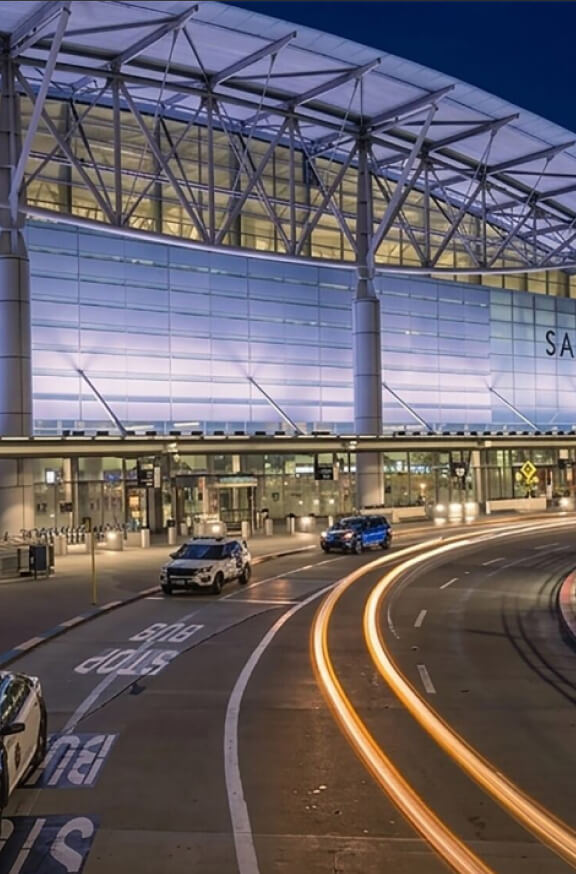
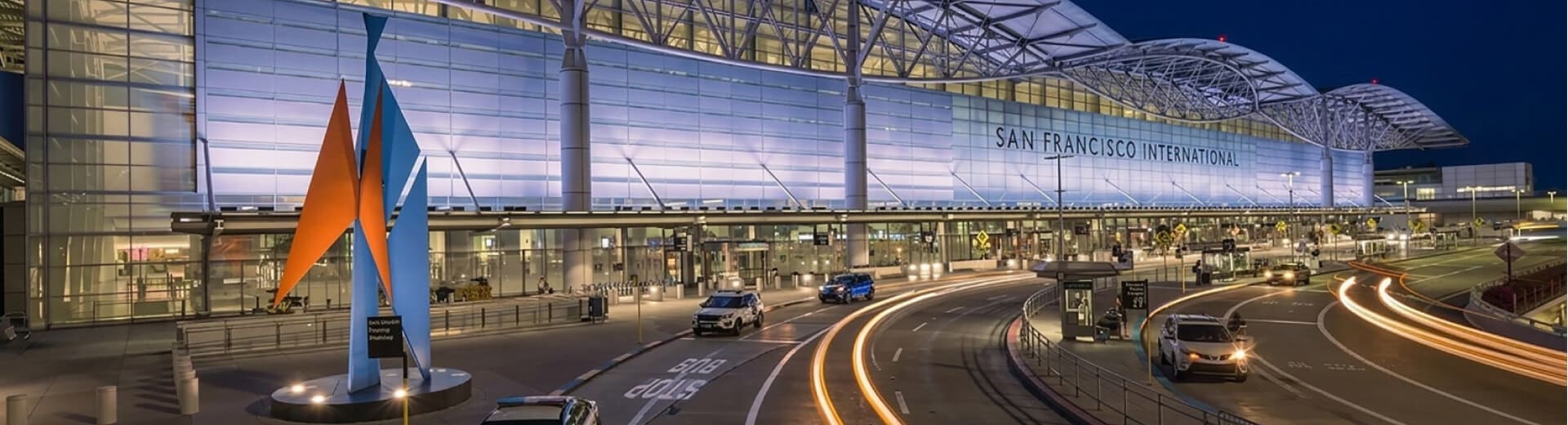
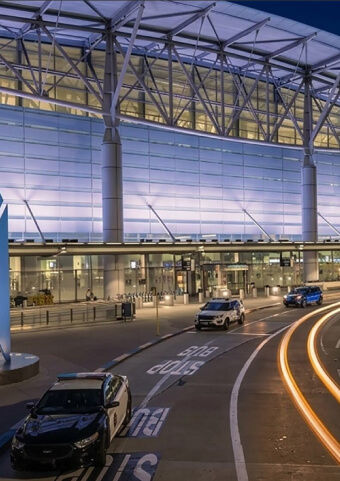
San Francisco International Airport (SFO) is a major hub for both domestic and international flights, located approximately 13 miles south of downtown San Francisco. Renowned for its modern facilities and extensive range of services, SFO serves as a vital gateway to the Pacific and beyond. In 2024, SFO handled around 51.3 million passengers.
San Francisco International Airport (SFO) frequently encounters fog due to its coastal location, which can significantly impact flight operations in several ways. Fog can drastically reduce visibility, making it difficult for pilots to see the runway and other aircraft, leading to delays in take-offs and landings. Air traffic controllers may need to increase the separation between aircraft to ensure safety, reducing the number of flights that can land or take off in each period. In severe fog conditions, flights may be diverted to other airports or cancelled altogether.
Reduced visibility occurs when air traffic controllers and pilots can see less than five kilometers into the distance, a measurement known as Runway Visual Range (RVR). Additionally, reduced visibility is noted when the cloud base is less than 300 meters (1000 feet) above the ground, resulting in low-hanging clouds. If visibility drops below 1500 meters and the cloud base is lower than 100 meters (300 feet), pilots and air traffic controllers lose sufficient sight of the runways and taxiways. In such conditions, Low Visibility Procedures (LVP) are implemented to ensure safety.
To address these challenges, San Francisco International Airport (SFO) has implemented several measures. Advanced Instrument Landing Systems (ILS) provide precise guidance to pilots, allowing aircraft to land safely even in low-visibility conditions. Enhanced runway lighting aids pilots in navigating during foggy conditions, making it easier to land and take off safely. Sophisticated weather monitoring tools predict fog and adjust flight schedules, accordingly, helping to plan and minimize disruptions. Additionally, Collaborative Decision Making (CDM) involves coordination between airlines, air traffic control, and airport operations to manage delays and ensure efficient flight operations during foggy periods.
SFO uses the Fog Tracker tool, which provides near-real-time visibility and weather conditions by pulling data from the National Oceanic and Atmospheric Administration’s Geostationary Operational Environmental Satellite (GOES-18). This tool offers high-resolution imagery to monitor fog patterns. Additionally, SFO employs advanced weather monitoring systems that continuously update visibility, cloud cover, and other relevant meteorological data. During periods of heavy fog, the airport adjusts its operations to ensure safety, including modifying flight schedules, using instrument landing systems, and coordinating closely with air traffic control to manage aircraft movements safely. These measures help SFO maintain safe and efficient operations despite frequent foggy conditions.