

Hazard- Cyclones/Hurricane/Typhoon/Tornado
Kansai International Airport: Enhancing Airport Disaster Resilience for Typhoons/Cyclones/Hurricanes and Storm Surge
Reducing climate-related downtime from 2 weeks to 2 days through infrastructural and organizational measure
Keywords
Kansai International Airport is a major aviation hub in Japan, ranking as the third busiest airport in the country. Built on an artificial island, the airport serviced more than 30.6 million passengers in 2024. It plays a vital role in facilitating travel and economic activities in the Greater Osaka Area and serves as a key transport center for the metropolitan regions of Kyoto, Kobe, and Osaka.
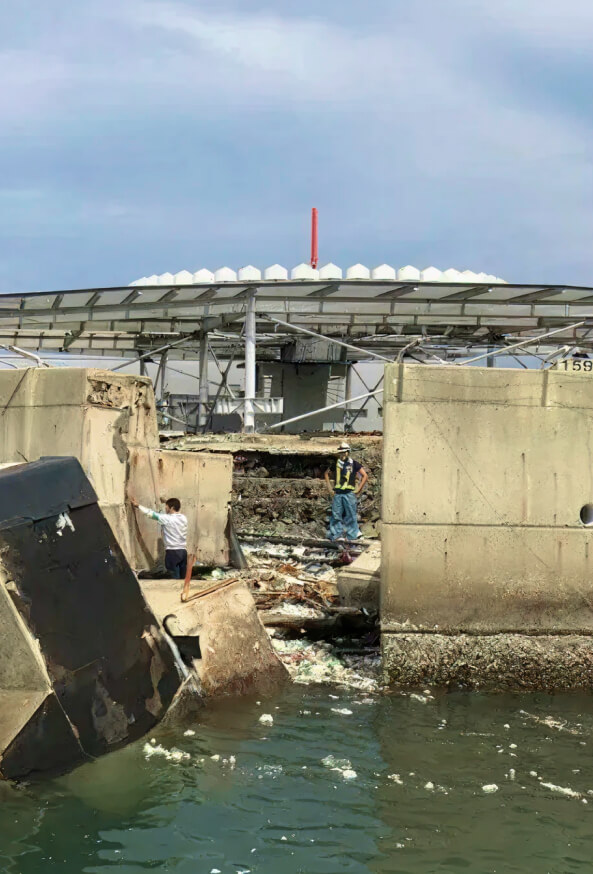
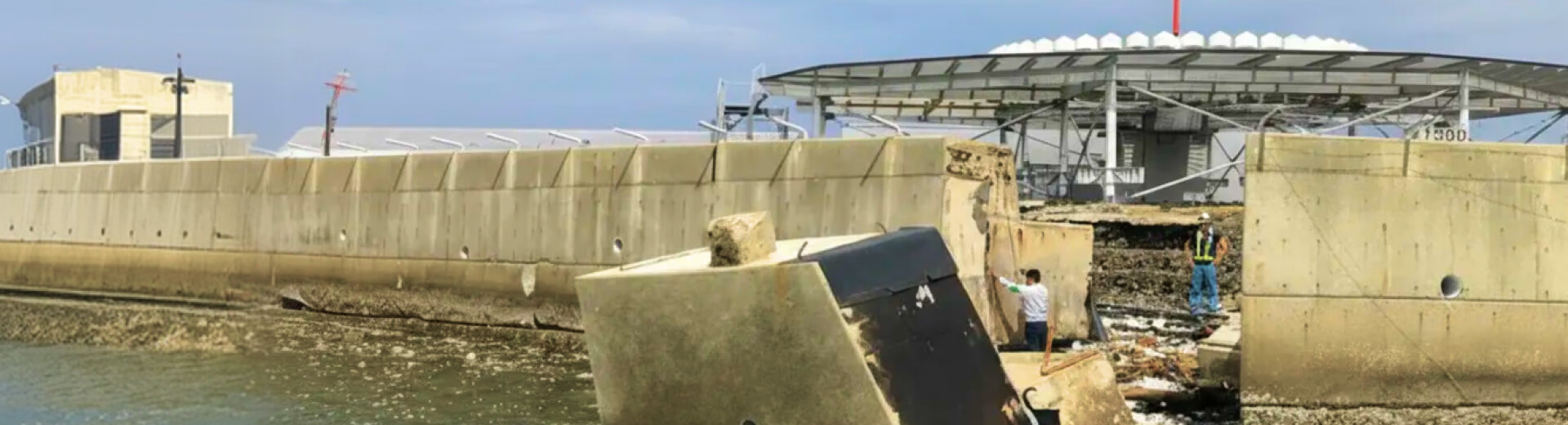
Situated on reclaimed, low-lying land, Kansai Airport is vulnerable to flooding. On September 4, 2018, the airport was inundated by the Category 2 Typhoon Jebi’s storm surge. The most severe typhoon in 25 years, Jebi damaged infrastructure and forced airport closure for 17 days. Following this, the operators of Kansai Airport decided to bolster their natural disaster mitigation and develop Disaster Resilient Infrastructure.
The airport set three key goals
- Anticipate the effects of climate disasters on the airport infrastructure and critical assets
- Develop a detailed mitigation plan that will increase the protection of
- Passengers and staff members
- Critical assets and priority areas
- Reduce the impact of climate disaster by:
- Decreasing downtime of operations
- Cost-effective adaptation measures
- Minimizing delays and negative influence on customer experience
Evidence of the Solution(s) Effectiveness or Potential Impact
The airport began its efforts by identifying and prioritizing critical infrastructure assets as well as analyzing the cascading effects of asset failure and sensitivity to climate event exposure. A Flood Simulation Tool was employed to recreate the flooding of 2018 and its impact on the terminal, airside and landside assets. From this basis, various mitigation measures were created and selected based on effectiveness, cost and implementation timeline. Investment estimates were created for two final solutions – both of which promised to reduce airport downtime from the two weeks experienced in 2018, to two days.
The project team’s in-depth modelling and scientific expertise provided Kansai Airport with a clear vision on what assets were at risk, how that risk could be mitigated or avoided, and the investment and solutions required to do so. Additionally, insight and expertise, paired with strong stakeholder involvement, gave all the client and stakeholders an understanding of the airport assets in relation to climate resilience, helping them make improvements that will reduce their downtime during future climate events. Some notable outcomes were:
- Reducing climate-related downtime from two weeks to two days
- Increased protection of critical assets and priority areas
- Safeguarding passengers and staff during extreme weather
- Boosting stakeholder collaboration and understanding of flood scenarios
Furthermore, after choosing their preferred solution, the project team developed a phasing plan to ensure a smooth implementation that would minimize disruptions to ongoing airport operations, including delays and impacts on customer experience and commercial revenues.
Innovative digital tools like the Circle Tool were used to facilitate stakeholder collaboration. The tool is a dynamic visual platform that maps all critical airport assets and their inter-dependencies. From there, the tool shows the cascading effect that a typhoon or similar flood disaster has on these assets. For example, showing that if the airport’s substations that power the water pumps were affected, it would result not only in the runway being flooded but also the switchgear rooms in the basement of the terminal which in turn would make the intercom system go down, affecting effective communication to passengers during the emergency. The visualizations enabled efficient communication of data and insights to the stakeholders.
Enablers and Barriers
Implementation Challenges and Mitigation Strategies
It was crucial to ensure that any potential solutions would need to safeguard both the continuity of airport operations and improve flood resilience. In approaching a solution, the project team sought to bring together stakeholders across various disciplines within the airport. By exploring the needs and requirements of each, they created a shared vision of what is necessary to serve the immediate needs of Kansai Airport today and the improvements required to safeguard it in the future. To enable and facilitate these conversations and collaborations, they employed the use of new digital platforms like the Circle Tool. The tool allowed them to communicate data and insights in a common visual language –cutting through the complexity to enable informed decision-making for the client, including generating insights into where to invest mitigation efforts.