

Hazard- Fog/Haze
El Alto International Airport : a high altitude challenges
Adapting to Harsh Weather: Iqaluit Airport’s Approach
Keywords
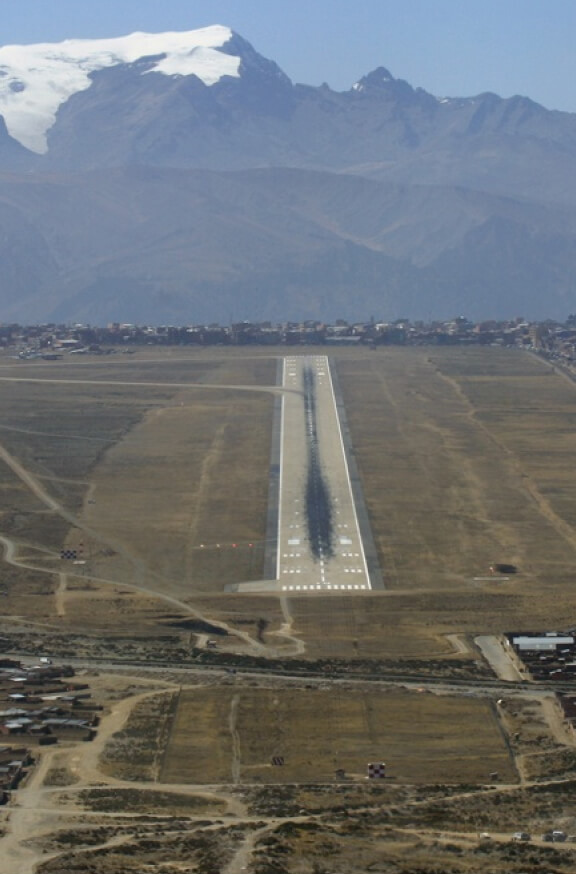
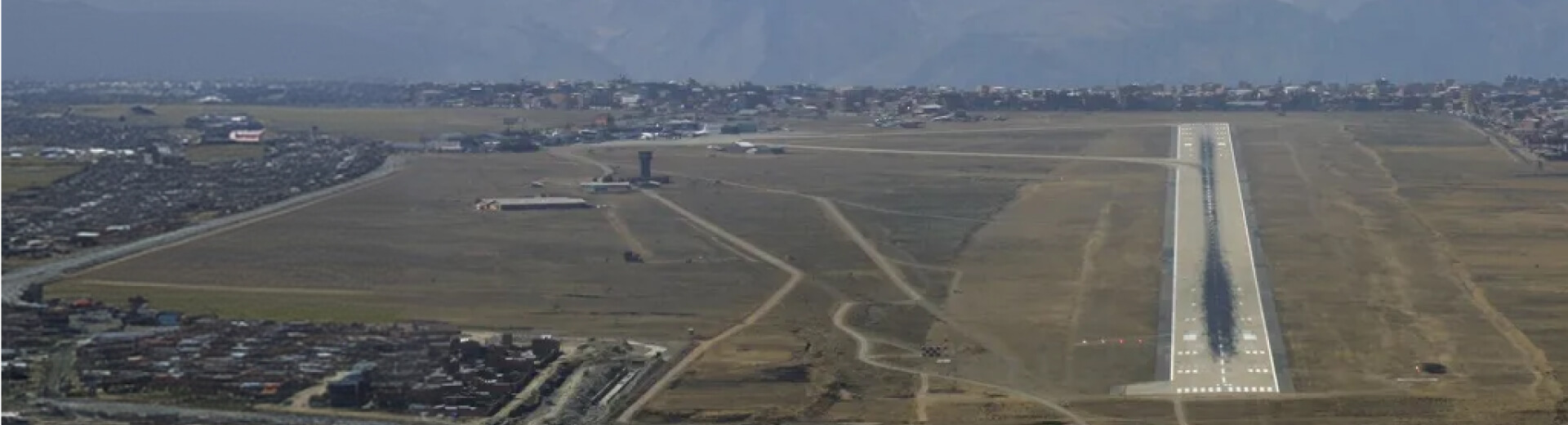
El Alto International Airport (Aeropuerto Internacional El Alto) is located in El Alto, Bolivia, approximately 13 kilometres (8 miles) west of La Paz. At an elevation of 4,061.5 metres (13,325 feet) above sea level, it is the highest international airport in the world and the seventh highest commercial airport globally. This high altitude presents unique operational challenges, particularly for aircraft performance and passenger acclimatisation.
The airport serves as a major hub for Boliviana de Aviación, Bolivia’s flag carrier. It features two runways: one asphalt runway and a shorter grass runway. In 2023, El Alto International Airport handled over 2.6 million passengers, reflecting its importance in connecting Bolivia with the rest of the world.
High-altitude airports, such as El Alto International Airport in Bolivia, face several unique challenges due to their elevation. One of the primary issues is reduced air density, which significantly impacts aircraft performance. At higher altitudes, the thinner air generates less lift, necessitating longer take-off and landing distances. Additionally, engines produce less thrust in these conditions, affecting overall flight efficiency. Pilots must undergo specialised training to navigate the complex flight procedures required for high-altitude operations, which can be further complicated by the surrounding terrain and unpredictable weather patterns.
Moreover, high-altitude airports are prone to extreme weather conditions, including high winds, turbulence, and sudden temperature fluctuations. These factors demand robust infrastructure and advanced technology to ensure safe and efficient operations. Passenger acclimatisation is another concern, as individuals unaccustomed to such elevations may experience symptoms of altitude sickness, such as headaches, dizziness, and shortness of breath. Addressing these challenges requires meticulous planning and continuous adaptation to maintain operational efficiency and passenger safety at high-altitude airports.
Measures
LPB has implemented several measures to address natural and climate-related challenges, ensuring safe and efficient operations despite the demanding climate conditions. These measures include climate resilience planning, which involves assessing risks and adapting infrastructure to withstand extreme weather conditions. The airport also monitors air quality to ensure safe operations, particularly during periods of increased pollution or dust storms they work closely with local emergency services to manage natural disasters such as severe weather events, facilitating efficient evacuation and relief operations.
In specific LPB airport employs several unique measures to handle low visibility conditions, which are tailored to its high-altitude environment. The Surface Movement Guidance and Control System (SMGCS) is designed to facilitate safe aircraft and vehicle movement on the airport surface during low visibility conditions. It includes enhanced visual aids, such as clearance bars and geographic position markings, which are particularly useful in the high-altitude setting of El Alto.
The SMGCS significantly enhances safety by providing comprehensive routing, guidance, and surveillance for the control of aircraft and vehicles on the airport surface. By using a combination of ground-based sensors, lighting systems, and advanced data processing, SMGCS ensures that aircraft and vehicles can move safely and efficiently even when visibility is severely reduced. One of the key features of SMGCS is its ability to deliver real-time position and movement data to air traffic controllers and pilots. This improved situational awareness helps prevent runway incursions and other ground movement conflicts.
Additionally, the airport uses a Wide Area Multi-Lateration (WAAM) system to supplement terminal area radar. This system provides precise runway monitoring, enabling simultaneous parallel runway operations even in reduced visibility. The high altitude necessitates more rigorous control procedures to ensure safety.
These measures, combined with standard low visibility procedures like Instrument Landing Systems (ILS) and Runway Visual Range (RVR) systems, help El Alto International Airport maintain operational efficiency and safety despite challenging weather conditions.