


Hazard- Liquefaction
Resilience in Motion: Liquefaction Risk Management at Christchurch Airport
Adapting infrastructure to meet seismic challenges
Keywords
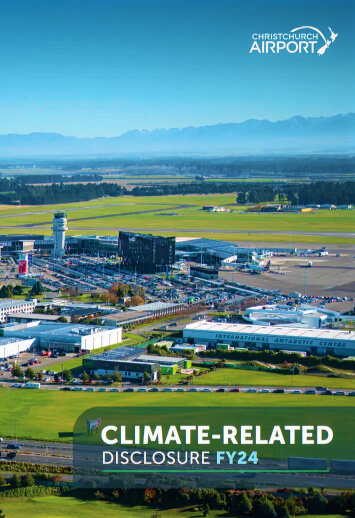
Christchurch International Airport (CHC) is a vital hub for both domestic and international travel in New Zealand. Located in the heart of the South Island, it serves as the gateway to the stunning landscapes and vibrant cities of the region. As New Zealand’s second busiest airport, Christchurch International handles 6.25 million of passengers in 2024 an as many airports in the area face risk a high risk of earthquakes and liquefaction.

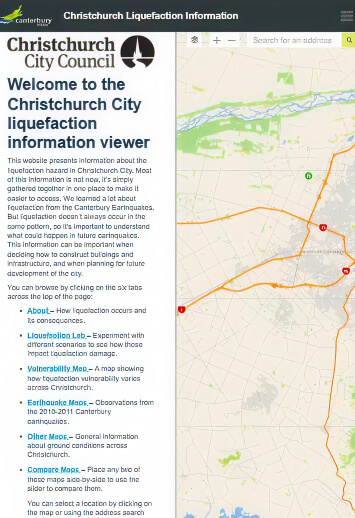
Christchurch International Airport is a notable example where liquefaction has been a major concern. The 2010-2011 Canterbury earthquakes in Christchurch caused significant liquefaction, severely impacting the airport’s infrastructure and operations. The airport’s proximity to areas with sandy and silty soils increases this risk but in response to these events, several measures have been implemented to assess and mitigate these risks. The airport has installed earthquake sensors to provide real-time data on shaking levels, enabling quick decision-making during seismic events.
- Regular assessments of soil conditions are conducted to identify areas susceptible to liquefaction. These assessments are crucial for planning and implementing appropriate mitigation strategies. By understanding the soil’s behaviour during seismic events, the airport can take proactive steps to enhance ground stability.
- Foundations and critical infrastructure are strengthened to withstand the effects of liquefaction. This includes the use of deep foundation systems and various ground improvement techniques. These methods help to stabilise the soil and reduce the risk of ground failure during an earthquake.
- Comprehensive emergency response plans are in place to manage operations during and after seismic events. These plans include protocols for evacuation, coordination with local emergency services, and ensuring the safety of passengers and staff. By having detailed procedures in place, the airport can respond swiftly and effectively to minimise disruption and ensure safety.
- The airport continuously monitors its infrastructure and makes necessary upgrades to improve resilience against liquefaction. This proactive approach involves regular inspections and the implementation of new technologies and materials to enhance the durability and stability of airport facilities. By staying ahead of potential issues, the airport ensures ongoing safety and operational efficiency.
These measures collectively help Christchurch International Airport, and other airports in New Zealand, to effectively manage and mitigate the risks associated with liquefaction. Through continuous assessment, reinforcement, and preparedness, these airports maintain their commitment to safety and operational excellence in the face of seismic challenges.