Kansai Airport (Japan)

Hazard- Earthquake

Earthquake & Tsunami Preparedness at Kansai International Airport

Protocols for optimal preparation for earthquake-tsunami combinations

Keywords

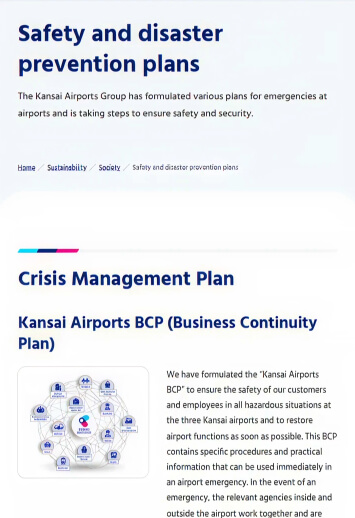
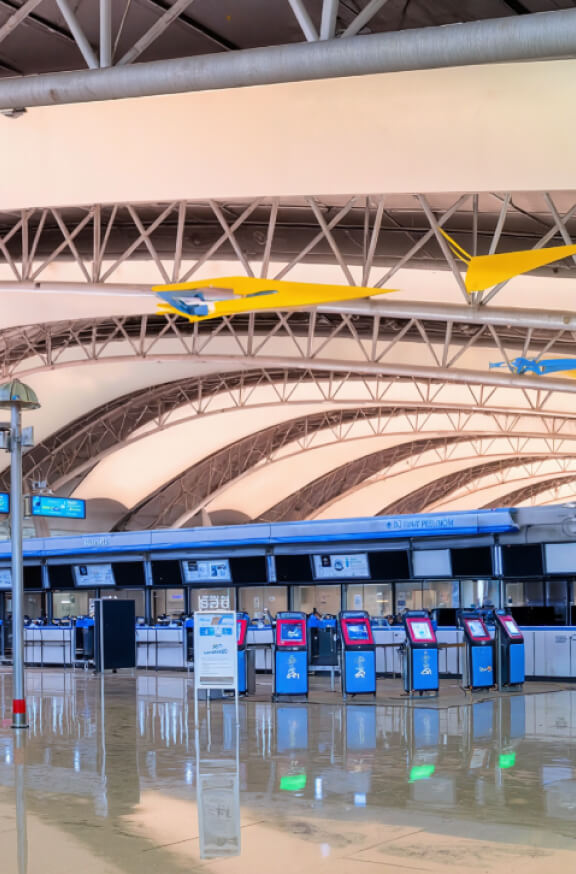
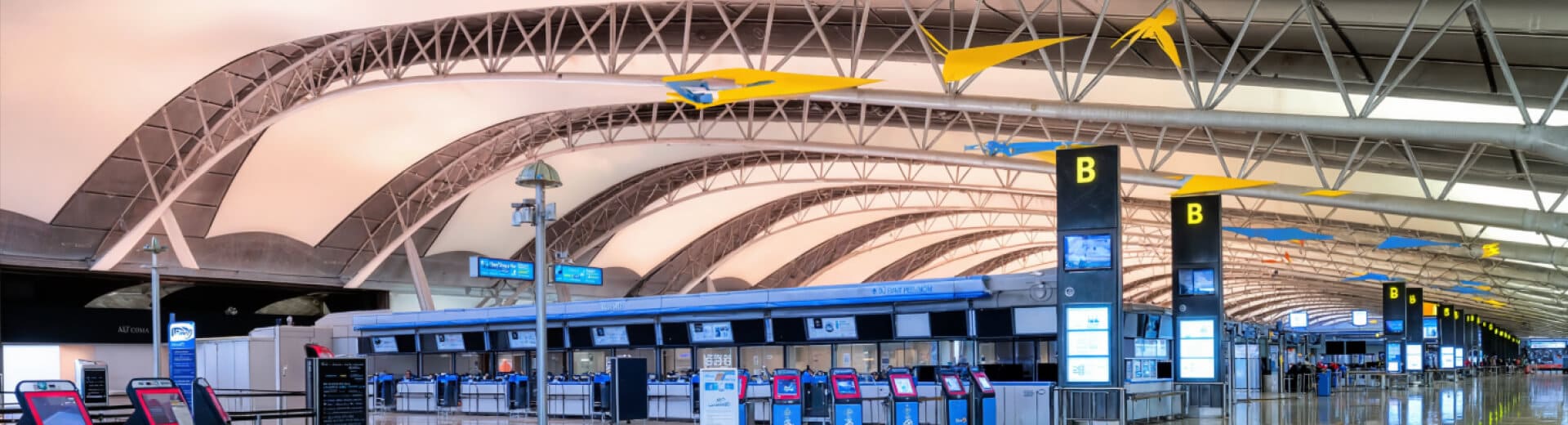
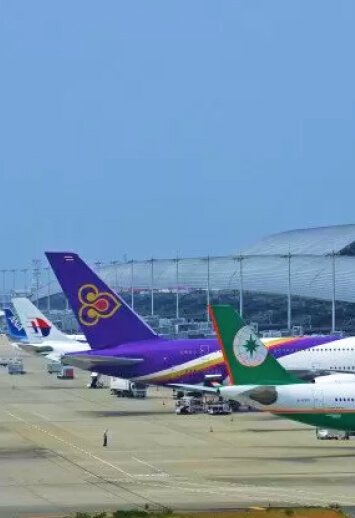
Kansai International Airport is a major aviation hub in Japan, ranking as the third busiest airport in the country. Built on an artificial island, the airport serviced more than 30.6 million passengers in 2024.

Kansai International Airport is located on an artificial island in Osaka Bay, off the Honshu shore, within the municipalities of Izumisano, Sennan, and Tajiri in Osaka Prefecture. This region is part of the Greater Osaka Area, which includes major cities such as Osaka, Kyoto, and Kobe. Japan, being situated on the Pacific Ring of Fire, experiences frequent seismic activity, including earthquakes. The country is known for its stringent building codes and disaster preparedness measures due to the
regular occurrence of earthquakes.
Earthquake and tsunami preparedness

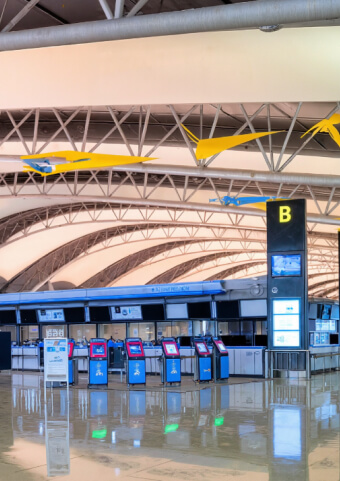
Kansai International Airport has established a comprehensive Business Continuity Plan (BCP) to ensure the safety of customers and airport employees in all situations. The BCP includes specific procedures and practical information for emergencies, covering three phases: prevention, disaster resilience and response, and speedy restart.

The airport conducts regular earthquake and tsunami drills to prepare for natural disasters and has implemented anti-earthquake reinforcement for viaducts to ensure passenger safety and maintain operations during significant seismic events. For instance, the airport simulates scenarios like a Nankai Trough mega-quake with a magnitude of 9.0. These drills are crucial for ensuring the safety and resilience of the airport’s infrastructure and operations in the face of such natural disasters. Key focus points of Kansai Airport are:

  • Verifying new evacuation routes and guidance procedures
  • Verify that evacuations sings and guidance procedures function properly
  • Disseminate the new route to drill participants
  • Confirm points to be improved regarding response using Digital Emergency Information Card (DEIC)
  • Practical training on improved new functions
  • Develop and familiarize with crisis management team
  • Familiarize with the information gathering and dissemination system

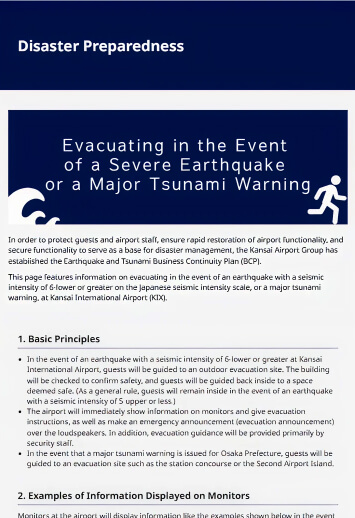
In the event of an earthquake with a seismic intensity 6-lower or greater, guests are guided to outdoor evacuation sites, and the building is checked for safety before allowing guests back inside. Information is displayed on monitors, and emergency announcements are made in multiple languages. Additionally, evacuation guidance is provided primarily by security staff.
References

Aishwarya Pillai

Lead Specialist

Alpana heads institutional partnerships, governance, and resource mobilization at CDRI, advancing cross-sector collaborations that drive resilient infrastructure programming across Member Countries and organizations. With over 25 years of experience spanning international development, global health, and the non-profit sector, she brings deep expertise in fundraising strategy, donor engagement, and delivering strategic change. 

At CDRI, Alpana has been pivotal in forging strategic alliances with governments, international organizations, and philanthropies. She also plays a key role in fortifying institutional systems and board governance mechanisms as the Coalition transitions into an international organization. 

Before joining CDRI, Alpana held senior leadership roles at The George Institute for Global Health, Plan India, WaterAid India, and SOS Children’s Villages, leading institutional fundraising and cultivating strategic partnerships for social impact. 

She holds a Master’s in Finance & Control from Aligarh Muslim University and completed Executive Education at Harvard Business School (CSR India). Her work is driven by a commitment to building enduring, values-based partnerships that accelerate sustainable development outcomes. 

Aishwarya Pillai

Alpana Saha

Director, Partnerships, Governance, and Resource Mobilisation 

Alpana heads institutional partnerships, governance, and resource mobilization at CDRI, advancing cross-sector collaborations that drive resilient infrastructure programming across Member Countries and organizations. With over 25 years of experience spanning international development, global health, and the non-profit sector, she brings deep expertise in fundraising strategy, donor engagement, and delivering strategic change. 

At CDRI, Alpana has been pivotal in forging strategic alliances with governments, international organizations, and philanthropies. She also plays a key role in fortifying institutional systems and board governance mechanisms as the Coalition transitions into an international organization. 

Before joining CDRI, Alpana held senior leadership roles at The George Institute for Global Health, Plan India, WaterAid India, and SOS Children’s Villages, leading institutional fundraising and cultivating strategic partnerships for social impact. 

She holds a Master’s in Finance & Control from Aligarh Muslim University and completed Executive Education at Harvard Business School (CSR India). Her work is driven by a commitment to building enduring, values-based partnerships that accelerate sustainable development outcomes. 

Agathe Nougaret –