
Hazard- Earthquake
Earthquake & Tsunami Preparedness at Narita International Airport
Protocols for optimal preparation for earthquake-tsunami
Keywords
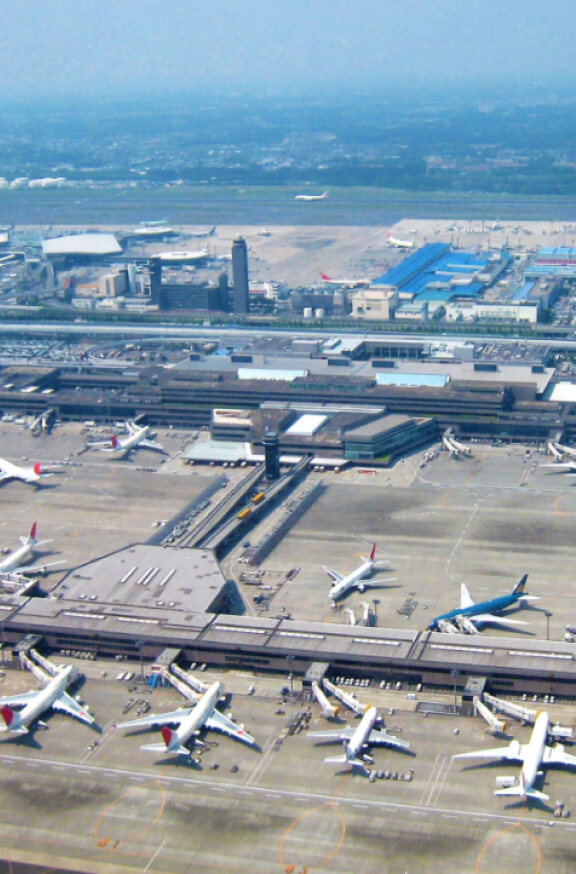
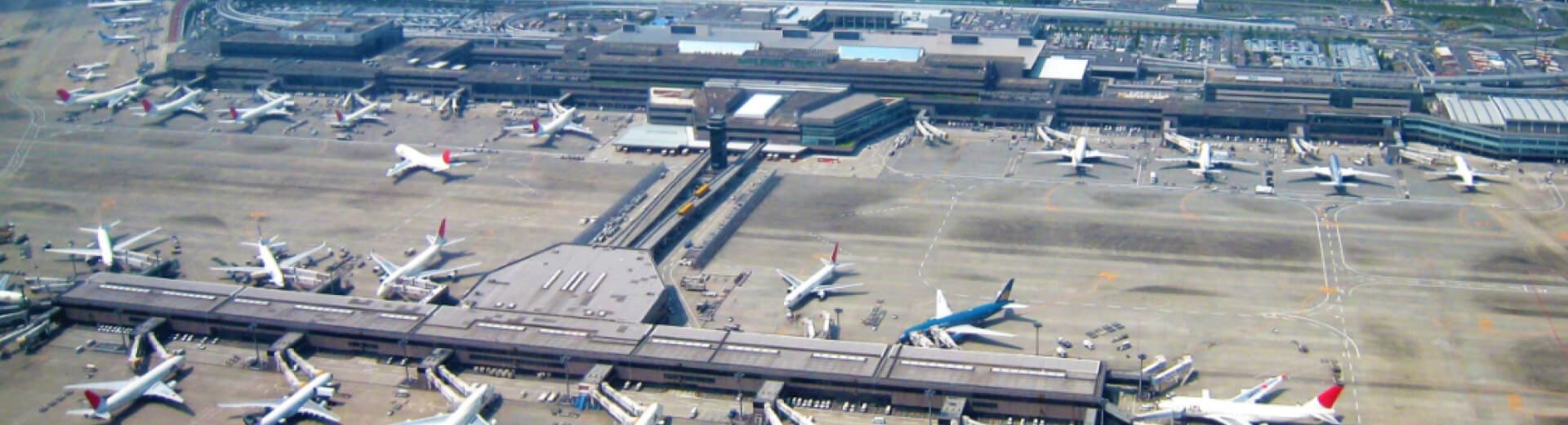
Narita International Airport, located in Narita, Chiba Prefecture, Japan, is one of the country’s primary international gateways. Opened in 1978, it serves as a major hub for both international and domestic flights, connecting Japan with numerous destinations worldwide.
In 2024, Narita International Airport handled approximately 39.81 million terminal passengers. This marked an increase of over seven million passengers compared to the previous year, reflecting a significant recovery and growth in air travel demand.
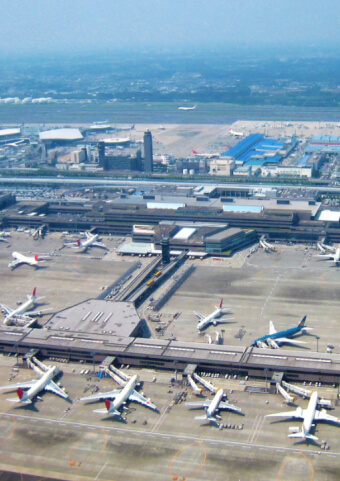
Narita International Airport faces significant earthquake risks due to Japan’s location on the Pacific Ring of Fire, a region known for frequent seismic activity. To mitigate these risks, the airport has implemented an Earthquake Early Warning system that provides timely alerts to passengers and staff about impending seismic events. NAA has set out its Disaster Management Plan based on the government’s Basic Act on Disaster Management, and emergency response guidelines. It has disaster defence systems in place with provisions to defend against disasters and enact emergency response measures.
If an earthquake, destructive storm, or other disaster should occur, pre-established emergency call-up criteria are activated depending on the scale and circumstances of the situation. This involves establishing a Coordinating Headquarters under the leadership of the Vice President of the relevant department, a Response Headquarters under the leadership of the Executive Director of the relevant department, and an Emergency Response Headquarters under the leadership of the President & CEO. These units work in conjunction with relevant agencies and organisations to save lives, evacuate victims to safety, implement emergency measures, prevent casualties and damage, and stop the disaster from escalating. During nights, weekends, and holidays, duty staff provide the first response until call-in executives and staff arrive.
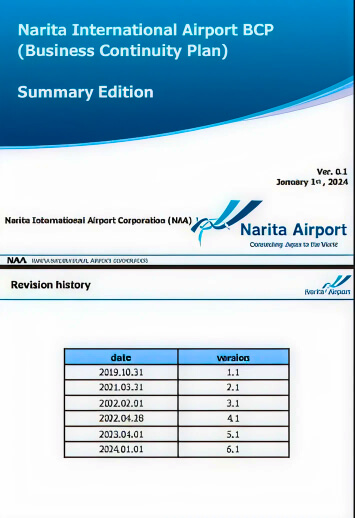
Narita International Airport has a comprehensive contingency plan for earthquakes. The airport has established a Disaster Management Plan and Business Continuity Plan (BCP) to ensure safety and quick recovery in the event of a large-scale natural disaster and has implemented several detailed measures to mitigate earthquake risks and ensure the safety of passengers and staff:
- Earthquake Early Warning System: This system provides real-time alerts in the terminals when an earthquake with a seismic intensity of 5 or higher is predicted. These warnings help passengers and staff take immediate protective actions.
- Disaster Management Plan: Based on Japan’s Basic Act on Disaster Management, Narita Airport has established a comprehensive disaster management plan. This plan includes emergency response guidelines and a framework for coordinating efforts among airport businesses and organizations.
- Emergency Response Headquarters: In the event of a disaster, Narita Airport activates a Coordinating Headquarters, Response Headquarters, and Emergency Response Headquarters. These units work together to save lives, evacuate victims, implement emergency measures, and prevent further casualties and damage.
- Rescue and Evacuation Framework: The airport has set up a robust framework for rescue and evacuation operations. This includes pre-established emergency call-up criteria and coordination with relevant agencies and organizations.
- Structural Reinforcements: Narita Airport’s infrastructure is designed to withstand seismic activity. Buildings and facilities are constructed with earthquake-resistant materials and technologies to minimize damage during an earthquake.