


Page d’accueil  Lettre d'information Décembre 2025
Lettre d'information Décembre 2025
Plaider en faveur de la DRI
Lors de la COP30, le directeur général a appelé les gouvernements à donner la priorité aux infrastructures résilientes aux catastrophes afin de protéger les communautés, de réduire les pertes économiques et de construire un avenir plus sûr et plus durable.
Notre coalition grandissante
Notre coalition grandissante
L'Arménie, le Costa Rica et le Paraguay, ainsi que la CAF et la CEDEAO ont rejoint la Coalition, portant le nombre de nos membres à 64. Pour marquer l'adhésion de la CAF, le directeur général s'est entretenu avec le directeur de l'action climatique de la CAF sur la façon dont CDRI rassemble les partenaires mondiaux et mobilise l'expertise pour faire progresser la DRI.
Discussions mondiales sur la DRI
Transformer le risque en résilience
Le Global Infrastructure Resilience Report 2025 de CDRI montre que les interruptions de service liées aux catastrophes provoquent, en moyenne, des pertes 7,4 fois plus importantes que les dommages directs causés aux infrastructures. En investissant dans des infrastructures résilientes aux catastrophes et en exploitant le dividende de la résilience, il est possible de réduire de moitié les pertes de PIB d'ici à 2050.
Pavillon DRI 2025
À Belém, au Brésil, CDRI a de nouveau accueilli le pavillon COP DRI, engageant 12 pays et 60 partenaires à travers 38 sessions avec plus de 70 interventions ayant un impact. Le Dr Kopal Verma explique pourquoi les infrastructures résilientes constituent l'investissement le plus intelligent, en soulignant l'opportunité de renforcer la résilience des infrastructures que le monde construira d'ici à 2050.
Un appel à placer la DRI au cœur de l'adaptation
Un programme d'action soutenu par le CDRI préconise de placer la DRI au cœur des stratégies nationales d'adaptation. Alors que 75% d'infrastructures mondiales restent à construire et que les catastrophes climatiques coûtent $700 milliards de dollars par an, des investissements de résilience précoces - qui ne représentent qu'une dépense initiale de 5-15% - peuvent générer des rendements de 7 à 12 fois supérieurs et renforcer les résultats de développement à long terme.
Champions de la DRI
Champions de la DRI
Kathy Baughman McLeod, fondatrice et PDG de Climate Resilience for All, et championne de longue date de DRI, souligne le rôle essentiel de CDRI dans le renforcement de la capacité technique des gouvernements à évaluer les risques climatiques et à développer conjointement des infrastructures résilientes dans un contexte d'escalade des pertes climatiques.
Promouvoir des politiques et des pratiques tenant compte des risques
Intégrer la résilience dans les villes de demain
David White, directeur du plaidoyer et de la communication, est intervenu lors de la session d'Allianz dans le cadre du panel de la Maison de l'assurance de Seguros à la COP30. Il a souligné que d'ici 2050, 70% des personnes vivront dans des villes, et 75% des infrastructures que nous utiliserons alors n'ont pas encore été construites, ce qui signifie que nous sommes à un moment d'opportunité, où nous pouvons intégrer la résilience et non le risque.
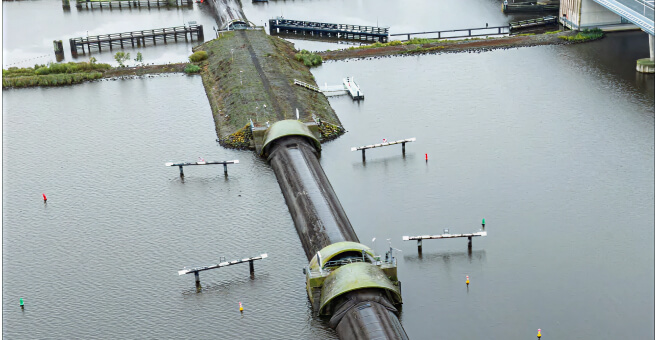
Faire progresser les systèmes d'eau urbains résistants au climat
Un atelier à New Delhi s'est concentré sur le renforcement de la résilience des eaux urbaines, complété par le lancement de ses modules de formation sur la résilience des infrastructures d'eau urbaine lors de la COP30, développés avec le soutien financier du gouvernement des Pays-Bas, qui équiperont les villes d'outils pratiques pour une planification de l'eau éclairée par le climat et les risques.
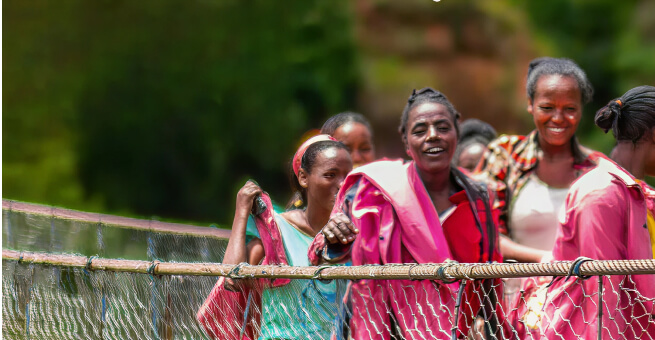
Promouvoir l'intégration de la dimension de genre par la conception d'infrastructures
Un nouveau rapport de la Coalition internationale pour des infrastructures durables (ICSI) et du CDRI montre comment l'intégration de l'égalité des sexes, du handicap et de l'inclusion sociale dans le cycle de vie des infrastructures renforce la résilience, réduit la vulnérabilité et fait progresser l'adaptation équitable au climat.
Renforcer les capacités pour agir sur la DRI et le relèvement après une catastrophe
De nouveaux outils, des systèmes plus solides : Renforcer les systèmes d'alerte précoce (SAP)
Le programme CDRI SIDS, soutenu par des dons de l'Australie, de l'Inde, du Royaume-Uni et de l'UE, soutient 24 projets dans 25 SIDS. En décembre, le projet mené en République dominicaine a été le premier à produire un résultat final : un cadre de SAP, un atlas national des risques et un système d'alerte amélioré.
Renforcer la résilience dans les régions montagneuses
La nouvelle publication de CDRI, Shaping Resilience in Mountains, a été conçue pour fournir aux décideurs politiques et aux praticiens des preuves, des études de cas et des conseils pratiques pour renforcer la DRI - en favorisant une planification tenant compte des risques, un développement inclusif et une protection à long terme des écosystèmes montagneux fragiles et des moyens de subsistance.
Renforcer la résilience urbaine au Bhoutan
Phub Zam, ingénieur au ministère des infrastructures et des transports du Bhoutan, décrit les efforts de résilience urbaine soutenus par CDRI, qui améliorent la planification fondée sur les risques dans les villes du Bhoutan, permettant ainsi un développement plus sûr des infrastructures tout en réduisant les coûts de maintenance à long terme face à l'escalade des risques climatiques.

ICDRI 2026 - Réservez la date !
La Conférence internationale sur les infrastructures résilientes aux catastrophes se tiendra à New Delhi, en Inde, du 22 au 24 avril 2026. Cette 8e édition de l'ICDRI réunira des gouvernements, des financiers, le secteur privé et des experts pour faire avancer les solutions, forger des partenariats et stimuler les investissements qui renforcent les infrastructures durables et résilientes aux catastrophes à l'échelle mondiale.
Point de vue
Témoignage du personnel
Deepak Rawat, spécialiste principal au sein de l'équipe des achats de CDRI, revient sur ses cinq années de travail au Secrétariat. Originaire d'un État du nord de l'Inde vulnérable au climat, il partage un parcours profondément personnel qui s'inscrit dans la mission de CDRI de renforcer la résilience dans les régions vulnérables du monde entier.